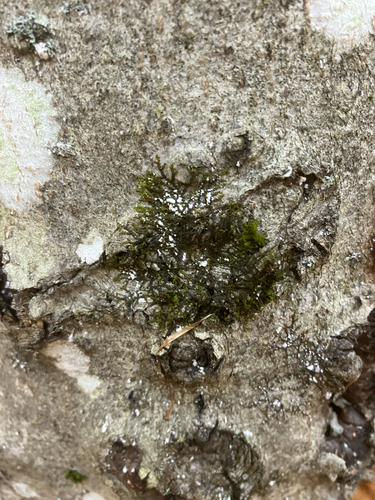
Beech Bark Scale
Madarococcus fagicorticis
A tiny architect of the forest, the Beech Bark Scale transforms New Zealand's beech trunks into a sugary buffet for native birds. Recognized by its white, cottony secretions, this scale insect plays a massive role in the health of the southern ecosystem.
Quick Identification
Size
Adults are 1.0–1.5 mm (0.04–0.06 inches) long; colonies appear as white fuzzy patches several centimeters wide.
Colors
Nymphs and adults are reddish-pink to yellow, but are almost always covered by white, waxy, cotton-like secretions.
Key Features
- White, woolly or waxy patches on tree bark
- Small, oval-shaped insects hidden under wax
- Associated with black sooty mold on the trunk
- Found exclusively on Southern Beech (Fuscospora) species
When You’ll See Them
Geographic range
Where Does the Beech Bark Scale Live?
Native to the island nation of New Zealand, the Beech Bark Scale is found throughout the North and South Islands where its host trees thrive. It is most prevalent in the vast beech forests of the Southern Alps and the central plateau of the North Island, though it can occasionally be spotted on specimen trees in larger suburban gardens or parks bordering native bush. Unlike invasive scales elsewhere, this species is a critical part of the local ecosystem's food web.
Basemap © OpenStreetMap contributors
Behavior
These insects are famous for their production of honeydew, a sugary waste product excreted in large quantities. This honeydew often drips down the trunk, coating it in a sticky film that encourages the growth of black sooty mold (Capnodium). This relationship creates a complex micro-ecosystem, as the high-energy honeydew becomes a primary food source for many native species during the winter months.
EverydayEarth exclusive
Camera Tips
Capturing the Beech Bark Scale isn't about filming the movement of the insect itself, but rather the bustling ecosystem it supports. To get the best results, position your camera with a macro lens or a very close focal point on a beech tree trunk showing significant white 'fuzz' and black sooty mold. Focus specifically on the area where honeydew droplets form—these look like tiny glass beads at the end of thin, hair-like tubes protruding from the bark.
For the best wildlife interactions, set your camera to trigger on movement near these honeydew sites. In New Zealand, this is a 'honey pot' for avian life. Tui, Bellbirds, and Kaka will visit these specific patches of bark to lick the sugar. Using a high-speed trigger and high-resolution video is essential to see the birds' specialized brush-tipped tongues in action as they harvest the honeydew produced by the scale.
Lighting is a major challenge because the black sooty mold associated with the scale absorbs a lot of light. If your camera is in a dense, dark forest, supplemental LED lighting or choosing a tree on the forest edge where dappled sunlight hits the trunk can drastically improve the clarity of the white waxy secretions. If you are using a standard trail cam, mount it about 1.5 meters high on a nearby tree, angled slightly upward to catch the underside of branches where scale density is often highest.
Frequently Asked Questions
Record Beech Bark Scale at your habitat
Connect a camera to start building your own species record — AI identifies every visitor automatically.