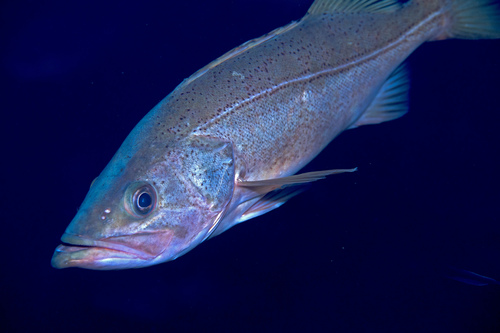
Bocaccio
Sebastes paucispinis
Known for its massive mouth and impressive lifespan, the Bocaccio is a sentinel of the Pacific's rocky reefs. This 'salmon grouper' is a master of the deep-sea ambush.
Quick Identification
Size
Up to 91 cm (36 inches) in length and weighing up to 9.5 kg (21 lbs)
Colors
Olive-brown to reddish-orange on the back, fading to silvery-pink or white on the belly; young have small brown spots
Key Features
- Extremely large mouth extending past the eye
- Prominent, protruding lower jaw
- Relatively slender, streamlined body shape
- Fine scales that feel smooth to the touch
When You’ll See Them
Geographic range
Where Does the Bocaccio Live?
Native to the Northeast Pacific Ocean, the Bocaccio is primarily found along the western coast of North America. Its range extends from the Gulf of Alaska in the north, through the coastal waters of British Columbia and the United States, and down to central Baja California, Mexico. While they are widely distributed, the highest population densities are historically found off the coast of Central and Southern California.
Basemap © OpenStreetMap contributors
Behavior
The Bocaccio is a gregarious species of rockfish known for its longevity and predatory nature. While younger fish are often found in loose schools near the surface or within the protective canopy of kelp forests, adults tend to move into deeper, darker waters where they hang near rocky reefs and underwater pinnacles. They are slow-growing and can live for over 50 years, reaching maturity late in life.
These fish are ambush predators that rely on their large mouths to engulf prey. Despite their somewhat sluggish appearance, they are capable of quick bursts of speed when darting out from rock crevices to snatch a passing meal. They are generally solitary as large adults but may congregate in areas with high prey density or favorable currents.
Interactions with humans are primarily centered around recreational and commercial fishing. Due to their slow reproductive rate and history of overfishing, they are now a species of great conservation concern. In some areas, they are affectionately called 'salmon groupers' by anglers because of their size and pinkish flesh.
EverydayEarth exclusive
Camera Tips
Capturing the Bocaccio requires specialized underwater camera equipment, as they are rarely found in the shallowest tide pools. For the best results, place your camera near the edges of rocky reefs or at the base of kelp stipes in depths of at least 20 to 50 feet. Positioning the camera at a slightly upward angle toward the light can help silhouetting their distinctive large jaw against the surface glow.
Because these fish are scent-driven hunters, using a perforated bait canister (often called a 'chum pot') filled with oily fish like mackerel or sardines can draw them into the camera's field of view. Ensure the camera is securely weighted and tethered, as tidal currents and surge can easily displace gear in the rocky environments these fish prefer.
Low-light performance is critical since Bocaccio often inhabit deeper, darker zones. Use a camera with a high-quality sensor and consider adding a diffused red light source; many marine species are less sensitive to red light, allowing you to observe natural hunting behavior without startling the fish. High frame rates are recommended to catch the rapid 'suction-feeding' strike of the Bocaccio.
Frequently Asked Questions
Record Bocaccio at your habitat
Connect a camera to start building your own species record — AI identifies every visitor automatically.