Ceylon cinnamon
Cinnamomum verum
The legendary 'true cinnamon' of Sri Lanka, this aromatic evergreen is as beautiful in a garden as it is essential in the kitchen.
Quick Identification
Size
Small evergreen tree typically growing 10–15 metres (32–49 feet) tall; cultivated specimens are often kept shorter through coppicing.
Colors
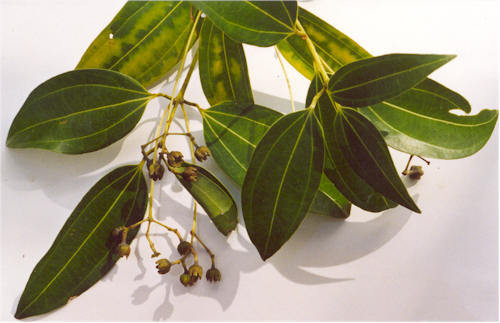
Glossy dark green mature leaves, bright red or bronze young foliage, and grey-brown outer bark with a warm reddish-brown inner bark.
Key Features
- Ovate-oblong leaves with 3-5 prominent longitudinal veins
- Inner bark is thin, brittle, and highly aromatic
- Small, pale yellow-green flowers in panicles
- Small, dark purple or black acorn-like berries
When You’ll See Them
Geographic range
Where Does the Ceylon cinnamon Live?
Native to the island of Sri Lanka in southern Asia, the Ceylon cinnamon tree is a hallmark of the Indian Ocean's tropical belt. While its purest wild forms are found in the moist forests of Sri Lanka, the species has been successfully introduced and naturalized in various tropical regions including the Seychelles, Madagascar, and parts of Southeast Asia. You may also find it thriving in tropical botanical gardens and specialized spice plantations across the Caribbean and South America.
Basemap © OpenStreetMap contributors
Behavior
Ceylon cinnamon, often called "true cinnamon," is a resilient evergreen tree that defines the landscape of the humid tropics. Unlike many forest giants, it has a bushy growth habit if left to its own devices, but in cultivation, it is regularly pruned to the ground (coppicing) to stimulate the growth of long, straight shoots. These shoots are prized for their thin, paper-like inner bark, which is harvested and cured into the familiar cinnamon quills.
The tree exhibits a striking seasonal display where new flushes of leaves emerge in vibrant shades of red and burgundy, a defense mechanism against herbivory, before maturing into a deep, leathery green. It is a relatively slow-growing species that thrives under the filtered light of a forest canopy but can adapt to full sun in domestic gardens or plantations. While it is not social in the animal sense, it creates a unique micro-ecosystem, providing shade and food for various tropical birds and insects with its nectar-rich flowers and oily berries.
EverydayEarth exclusive
Camera Tips
To capture the essence of a Ceylon cinnamon tree on your AI-powered backyard or trail camera, focus on the details that distinguish it from common garden shrubs. If your camera is mobile, position it at a low angle looking up into the canopy to highlight the striking contrast between the bright red young leaves and the dark green mature ones. This color transition is most dramatic during the primary growing seasons after heavy rains.
For those monitoring bark texture, place the camera approximately 3–5 feet from the trunk at chest height. Use a macro setting if available to capture the subtle, papery ridges of the bark. Since this is a static subject, the challenge is lighting; the best shots occur during the 'golden hour' of early morning or late afternoon when the sun hits the leaves at an angle, emphasizing their glossy, waxy sheen and the deep grooves of their longitudinal veins.
If you are looking to capture the wildlife that visits the tree, focus your lens on the flower panicles during the blooming season or the small dark berries. These are magnets for pollinators and fruit-eating birds. Use a high-shutter-speed setting to freeze the motion of visiting sunbirds or butterflies. Because these trees often grow in humid environments, ensure your camera housing is well-ventilated or includes desiccant packs to prevent lens fogging during the early morning temperature shifts.
Frequently Asked Questions
Record Ceylon cinnamon at your habitat
Connect a camera to start building your own species record — AI identifies every visitor automatically.