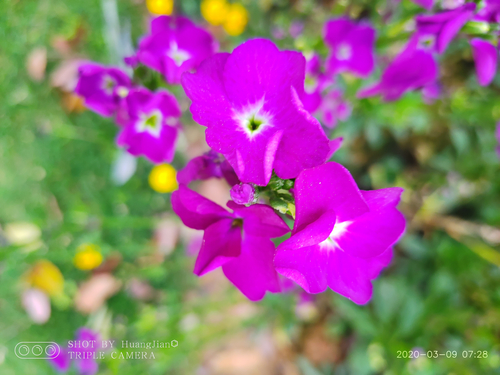
hoary stock
Matthiola incana
Famed for its spicy, clove-like scent and soft, silvery foliage, hoary stock is the crown jewel of the pollinator garden. This resilient plant draws in a parade of colorful butterflies by day and mysterious moths by night.
Quick Identification
Size
Height: 30-80 cm (12-32 inches); Spread: 25-40 cm (10-16 inches)
Colors
Flowers range from deep purple and lavender to pink and white; foliage is a distinctive silvery-grey or dusty green.
Key Features
- Woody base on mature specimens
- Densely haired, silver-grey lanceolate leaves
- Clusters of fragrant, four-petaled blossoms
- Long, narrow seed pods known as siliques
When You’ll See Them
Behavior
Hoary stock is a beloved biennial or short-lived perennial known primarily for its intense, clove-like fragrance. In the garden, it acts as a vertical accent, sending up sturdy spikes of blossoms that begin at the bottom and bloom upward over several weeks. Unlike many modern cultivars, wilder varieties of hoary stock are highly resilient, often found clinging to coastal cliffs or rocky outcrops where they withstand salt spray and harsh winds.
While the plant itself is stationary, it is a hub of activity in the backyard ecosystem. During the day, it is a favorite of bees and butterflies who are drawn to its nectar-rich blooms. As the sun sets, the plant's scent intensifies significantly, a biological strategy designed to attract nocturnal pollinators like hawk moths. This makes it an essential component of a 'moon garden' designed for nighttime wildlife observation.
EverydayEarth exclusive
Camera Tips
Capturing the beauty of hoary stock on your EverydayEarth camera requires a focus on its role as a pollinator magnet. Position your camera on a tripod or garden stake approximately 12-18 inches from the flower spikes. For the best results, aim for a slightly downward angle (about 30 degrees) to capture the internal structure of the blossoms where bees tend to linger. Use a macro lens setting if your camera supports it, as the fine, felt-like hairs on the leaves and the delicate textures of the petals are stunning in high definition.
Because hoary stock is famous for its evening scent, this is a prime candidate for nighttime wildlife photography. Set your camera to a high-sensitivity motion trigger or time-lapse mode during the twilight hours (6:00 PM to 9:00 PM). This is when you are most likely to capture the rapid wingbeats of Sphinx moths or Hawkmoths as they hover over the nectar. If your camera has an infrared (IR) flash, ensure it is diffused; the silvery leaves of the hoary stock are highly reflective and can easily wash out the image if the flash is too direct.
Time-lapse photography is particularly rewarding with this species. Set your camera to take a photo every 30 minutes over a period of two weeks as the flower spike matures. You will see the lower florets wither into seed pods while the top of the spike continues to push out new, vibrant color. This provides a fascinating look at the plant's lifecycle that is often missed with casual observation.
Finally, consider the wind. Hoary stock has relatively stiff stems, but the flower heads will bob in a light breeze. To prevent blurred images of visiting insects, use a fast shutter speed setting during the day. If you are targeting the silver-grey foliage, the 'golden hour'—just before sunset—provides the perfect warm light to make the 'hoary' texture of the leaves truly pop against a darker garden background.
Frequently Asked Questions
Record hoary stock at your habitat
Connect a camera to start building your own species record — AI identifies every visitor automatically.