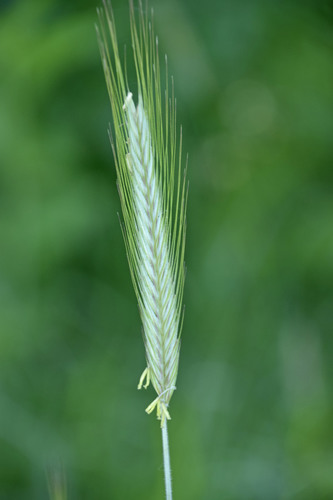
rye
Secale cereale
The hardiest of the cereal grains, rye brings a touch of the rolling prairie to your backyard. Whether as a winter cover crop or a golden summer screen, it is a vital sanctuary for the wildlife you want to see.
Quick Identification
Size
Stands 3 to 5 feet (90–150 cm) tall with roots reaching up to 6 feet (1.8 meters) deep.
Colors
Steel-blue or grey-green foliage; golden-tan seed heads and straw-colored stalks at maturity.
Key Features
- Slender, hollow stems (culms) standing 3-5 feet tall
- Long, bristly seed heads called awns or 'beards'
- Distinctive blue-green waxy coating on leaves
- Dense, fibrous root system
- Drooping or nodding spikes when grain is heavy
When You’ll See Them
Behavior
Rye is one of nature's most resilient cereal grains, prized for its ability to grow in conditions that would discourage most other plants. As a winter annual, it often germinates in the cool temperatures of autumn, staying low to the ground as a lush green carpet through the winter. This growth habit provides critical ground cover that prevents soil erosion and suppresses weeds by releasing natural chemicals that inhibit the growth of competing seeds.
In the spring, rye undergoes a rapid vertical growth spurt, known as 'bolting,' where it can grow several inches in a single week. During this phase, it becomes a hub of activity; its tall stalks offer a 'nursery' environment for ground-nesting birds and small mammals. Unlike wheat or barley, rye is wind-pollinated, releasing vast amounts of fine pollen from its hanging anthers during late spring mornings.
EverydayEarth exclusive
Camera Tips
Rye is an incredible subject for time-lapse photography and acts as a natural magnet for wildlife, making it a focal point for any backyard camera setup. To capture the dramatic growth of the stalks in spring, mount your camera on a sturdy T-post or fence line about 3 to 4 feet off the ground. Angle the lens slightly downward (about 10-15 degrees) to capture the contrast between the green rye and the soil. Setting your AI camera to a time-lapse mode with one photo every 3 hours will produce a stunning visual of the field 'rising' toward the sun.
For wildlife enthusiasts, rye is best treated as a 'natural blind.' Position your camera on the edge of a rye patch, looking down a mowed path or a natural game trail leading into the grain. Because rye grows so tall, it can easily obscure smaller animals like rabbits or foxes; try to find a spot where the rye meets a shorter grass line. This 'edge habitat' is where most activity occurs. Set your camera’s sensitivity to high, as the swaying of the rye stalks can sometimes create 'false triggers'—using a camera with advanced AI that distinguishes between 'Leaf Movement' and 'Animal' will save you hours of sorting through empty footage.
During the golden hour—just before sunset—the long awns of the rye catch the light beautifully. If your camera allows for manual exposure or has a 'backlight' setting, use it to capture the glowing silhouette of birds like goldfinches as they perch on the seed heads. In the winter, when the rye is short and green, it is a primary food source for deer. Place your camera at a height of about 30 inches to capture clear eye-level shots of foraging deer against the green backdrop, which provides excellent color contrast for your camera's sensor.
Frequently Asked Questions
Record rye at your habitat
Connect a camera to start building your own species record — AI identifies every visitor automatically.