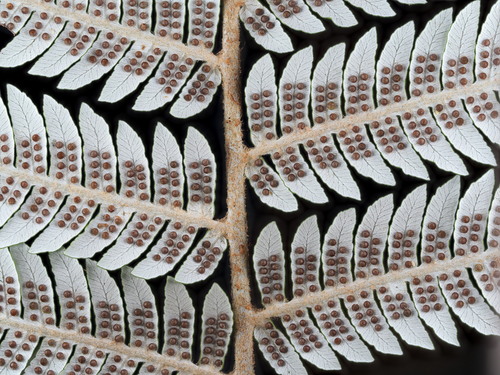
silver fern
Cyathea dealbata
The silver fern is the glowing heart of the New Zealand bush, famous for the shimmering white undersides of its fronds. A natural navigator and a cultural icon, this tree fern transforms any backyard or forest trail into a scene of prehistoric beauty.
Quick Identification
Size
Typically grows 4–10 meters (13–33 feet) tall with fronds reaching 2–4 meters (6.5–13 feet) in length.
Colors
Upper fronds are a deep, lush green; mature undersides feature a distinctive, bright silvery-white coating. The trunk is brown and textured with old leaf bases.
Key Features
- Brilliant silver-white underside on mature fronds
- Slender, woody trunk reaching up to 10m
- Fronds arch gracefully from the crown in a circular pattern
- New growth emerges as tightly coiled spirals known as 'koru'
When You’ll See Them
Behavior
The silver fern, known locally as ponga, is a resilient tree fern that serves as a vital architectural element of the New Zealand forest. While it doesn't move like an animal, it 'behaves' by dominating the sub-canopy layer, where it filters sunlight and creates a humid microclimate for smaller plants and insects. It is a slow-growing species, often taking decades to reach its full height, and its fronds undergo a dramatic color change from light green to silver as they mature.
In the ecosystem, the ponga is a generous host; its fibrous trunk provides a perfect substrate for epiphytic plants like mosses and small orchids to take root. For humans, it holds deep cultural significance. Māori tradition tells of using the reflective silver undersides to mark trails through the forest at night—the pale fronds catch the moonlight, creating a glowing path through the dark bush. Today, it remains a symbol of national identity and resilience.
EverydayEarth exclusive
Camera Tips
To capture the silver fern’s best side, positioning is everything. Because the iconic 'silver' is located on the underside of the leaves, avoid placing your camera at eye level. Instead, mount your camera lower to the ground, angled upward toward the canopy. This 'worm’s-eye view' allows the lens to see the white fronds against the dark trunk or the blue sky, creating a high-contrast image that really pops. If you are using an AI-powered camera that triggers on motion, the silver fern is a great subject for windy days; the 'flash' of silver as the wind flips the fronds can create beautiful, rhythmic movement in your captures.
Night photography offers a unique opportunity with this species. If your camera is equipped with an infrared (IR) flash, the silver underside of the ponga fronds will reflect the IR light intensely, making the tree look almost bioluminescent against the pitch-black background. To avoid 'white-out' (where the reflection is so bright it loses detail), try to position the camera at least 3 meters (10 feet) away from the nearest frond. This distance ensures the silver texture is visible without being overexposed.
For those interested in the fern's life cycle, time-lapse mode is your best friend. In the spring or early summer, look for a 'koru' (an unfurling frond) near the center of the crown. Set your camera to take one shot every 6 hours. Over the course of two to three weeks, you will capture the mesmerizing, slow-motion unfurling of the frond. It is one of nature’s most iconic transformations and makes for incredible video content.
Finally, remember that silver ferns are hotspots for other wildlife. Tui, Fantails, and even the occasional lizard use the fronds for shelter or hunting. By focusing your camera on a healthy ponga, you aren't just capturing a plant; you're setting up a stage for the many birds and insects that call this fern home. Keep your camera settings on a high shutter speed if you hope to catch the birds that frequent the fronds.
Frequently Asked Questions
Record silver fern at your habitat
Connect a camera to start building your own species record — AI identifies every visitor automatically.