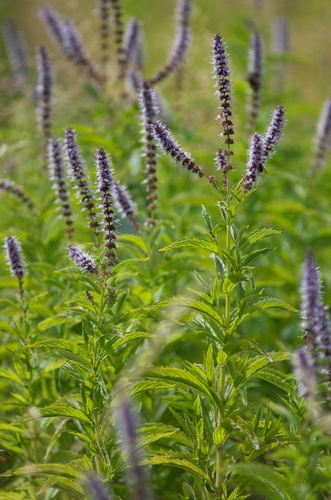
spearmint
Mentha spicata
A refreshing staple of the herb garden, Spearmint is a vigorous perennial that doubles as a high-traffic nectar hub for bees and butterflies. Its iconic scent and spiked lilac blooms make it a favorite for both humans and local pollinators.
Quick Identification
Size
Reaches heights of 30–100 cm (12–39 inches) with a broad, spreading habit.
Colors
Vivid bright green foliage; tiny lilac, pink, or white flowers clustered on slender spikes.
Key Features
- Square-shaped stems typical of the mint family
- Lance-shaped leaves with sharply serrated edges
- Sessile leaves (attached directly to the stem without stalks)
- Pungent, sweet aromatic scent when leaves are crushed
When You’ll See Them
Behavior
Spearmint is a hardy, herbaceous perennial known for its vigorous and invasive growth habit. It spreads primarily through an extensive network of underground runners called rhizomes, which allow a single plant to quickly colonize large areas of damp soil. In the backyard, it often forms dense mats of greenery that provide excellent ground cover and shelter for small invertebrates.
During the mid-to-late summer, spearmint produces tall, slender flower spikes that are a major draw for local wildlife. While humans value the plant for culinary and medicinal uses, its primary ecological role is as a nectar station. It is exceptionally popular with honeybees, solitary bees, and various species of butterflies and hoverflies, making it a cornerstone of a pollinator-friendly garden.
EverydayEarth exclusive
Camera Tips
Capturing spearmint on a backyard camera offers a unique opportunity to document the 'micro-wildlife' in your garden. Because the plant itself doesn't move much except in the wind, the best way to utilize an AI camera is to focus on the flower spikes during the mid-summer bloom. Position your camera on a low-profile tripod or a ground mount, keeping the lens roughly 12 to 24 inches from the plant. Angling the camera slightly upward will allow you to capture the silhouette of visiting pollinators against the sky or distant foliage, providing a more professional, 'National Geographic' look to your clips.
To get the best results with AI-powered motion triggers, set your camera to its highest sensitivity. Many cameras struggle to pick up the fast, darting movements of the small bees and hoverflies that frequent spearmint. If your camera supports a 'Time-Lapse' mode, this is a fantastic way to document the plant's rapid growth cycle. A photo taken every 30 minutes over the course of June and July can be edited into a stunning video showing the stalks shooting up and the purple flowers unfurling.
Lighting is crucial for green foliage. Direct midday sun can 'wash out' the vibrant green of the leaves and create harsh shadows. For the most aesthetic shots, aim to capture footage during the 'golden hours'—shortly after sunrise or before sunset. The soft, directional light will highlight the serrated edges and deep veins of the leaves. If you are using your camera to monitor the plant's health or growth, ensure the area around the base is kept clear of taller weeds so the camera has an unobstructed view of the square stems, which are a key identification feature.
Frequently Asked Questions
Record spearmint at your habitat
Connect a camera to start building your own species record — AI identifies every visitor automatically.