Yellow Sorrel
Oxalis flava
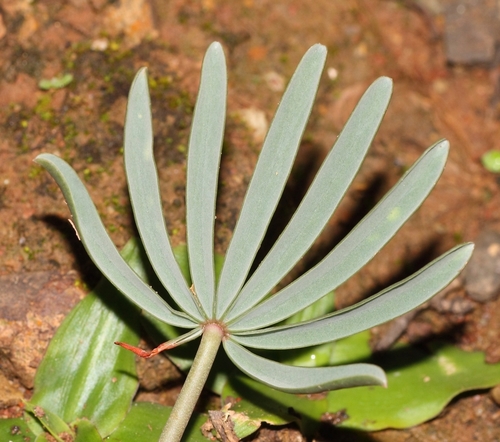
A burst of winter sunshine at ground level, the Yellow Sorrel is famous for its fan-like succulent leaves and brilliant lemon-colored blooms that 'wake up' with the sun.
Quick Identification
Size
Grows 2 to 6 inches (5–15 cm) tall; flowers approximately 1 inch (2.5 cm) in diameter.
Colors
Brilliant lemon-yellow petals; leaves are green to grayish-green with a waxy, succulent texture.
Key Features
- Palmately divided leaves with 2-12 narrow leaflets
- Bright lemon-yellow funnel-shaped blooms
- Low-growing succulent habit, 2-6 inches tall
- Flowers fold closed at night and in overcast weather
- Underground bulbous root system
When You’ll See Them
Behavior
During its active growing season, which follows the onset of cooler, wetter months, the plant works quickly to bloom and set seed. It interacts with its ecosystem by being one of the first reliable nectar sources for early-season pollinators. Bees and small hoverflies are frequently seen visiting the bright yellow cups, which act as solar reflectors, warming the center of the flower to attract insects during chilly mornings.
EverydayEarth exclusive
Camera Tips
Capturing the Yellow Sorrel requires a different approach than fast-moving fauna. Because this plant is low to the ground, you should position your camera at a very low angle—ideally just 2 to 3 inches off the soil. A ground-level stake or a 'beanbag' mount works perfectly. Angling the lens slightly upward will help the camera capture the way the sun illuminates the translucent yellow petals, giving the flowers a glowing effect in your footage.
Since the most interesting aspect of this species is its movement, we highly recommend using a time-lapse setting rather than motion triggering. Set your camera to take a high-resolution still every 5 minutes from 7:00 AM to 5:00 PM. When played back as a video, you will see the magical 'waking up' process where the fan-like leaves unfold and the funnel-shaped flowers spiral open to greet the sun. This provides a dynamic view of plant life that many backyard observers miss.
In terms of lighting, yellow is a highly reflective color that can easily overexpose and lose detail on a bright day. If your camera has adjustable exposure settings, try bumping it down by -0.5 or -1.0 to preserve the delicate veins in the petals. Alternatively, aim for 'Golden Hour' shots—the hour after sunrise or before sunset—when the warm light complements the yellow hues without washing them out.
Finally, don't overlook the foliage. The succulent, finger-like leaves of the Yellow Sorrel are unique among wood sorrels. Use a camera with a good macro or 'near-focus' capability to capture the geometric patterns of the leaves. If you are placing a camera in a garden bed, ensure there are no stray blades of grass in the immediate foreground, as these will trigger false motion alerts and obscure the small plant's profile.
Similar Species
Species that look similar or are commonly confused with Yellow Sorrel.
Frequently Asked Questions
Record Yellow Sorrel at your habitat
Connect a camera to start building your own species record — AI identifies every visitor automatically.