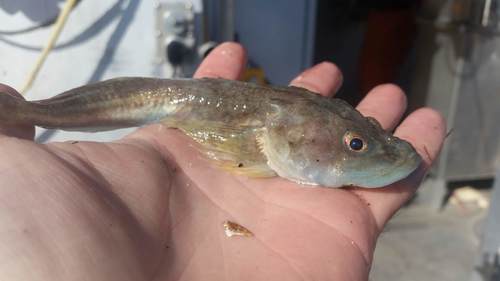
Deepwater Sculpin
Myoxocephalus thompsonii
A mysterious ghost of the Ice Age, the Deepwater Sculpin thrives in the freezing, pitch-black depths of North America's Great Lakes. This elusive master of camouflage is a vital link in the deep-water ecosystem, rarely seen by human eyes.
Quick Identification
Size
6–23 cm (2.4–9 inches) in length; typically weighs less than 100g (3.5 oz)
Colors
Mottled grayish-brown to olive-brown upper body; creamy white or pale underside; dark saddle-like bands across the back
Key Features
- Broad, flattened head with eyes positioned on top
- Two distinct dorsal fins with a significant gap between them
- Large, fan-shaped pectoral fins used for resting on the lake bed
- Lacks scales, featuring small prickly structures instead
When You’ll See Them
Geographic range
Where Does the Deepwater Sculpin Live?
Native to North America, the Deepwater Sculpin is found within the deep, cold glacial lakes of Canada and the northern United States. Its core range is centered in the Great Lakes basin—excluding Lake Erie—and extends northwest through the deep-water systems of Manitoba, Saskatchewan, and the Northwest Territories. These fish are true specialists, residing in localized populations that have remained in these cold-water refugia since the retreat of the massive continental ice sheets thousands of years ago.
Basemap © OpenStreetMap contributors
Behavior
The Deepwater Sculpin is a specialized bottom-dweller that spends its entire life in the cold, dark profoundal zones of deep lakes. It is a largely sedentary species, often remaining motionless for long periods to blend in with the silty or sandy substrate. This camouflage is its primary defense against larger deep-water predators like Lake Trout and Burbot. Because it lives in environments with virtually no sunlight, it relies on its highly sensitive lateral line system to detect the minute vibrations of prey moving nearby.
This species is considered a 'glacial relict,' a survivor from the last Ice Age that became isolated in deep-water pockets as the continental glaciers retreated. They are generally solitary and do not form schools. While they have no significant interaction with humans due to their extreme depth preferences, they are an essential component of the food web, converting energy from deep-water invertebrates into a food source for larger fish species.
EverydayEarth exclusive
Camera Tips
Capturing a Deepwater Sculpin on camera is one of the ultimate challenges for a backyard naturalist, primarily because they reside in the 'dark zone' of lakes, often hundreds of feet down. To see one, you will need specialized equipment beyond a standard trail camera, such as a high-pressure rated underwater housing or a tethered remote-operated vehicle (ROV). These cameras must be capable of withstanding the immense pressure found at depths of 60 meters or more.
Because natural light does not penetrate to these depths, artificial lighting is a necessity. While standard white LEDs provide clear color imagery, they can be quite intense in the pitch-black water; using a camera with a high-sensitivity sensor (low lux) allows you to use dimmer light that is less likely to disturb the fish. Aim your camera downward at a 45-degree angle toward a flat, silty area of the lake bed, as these fish prefer to sit directly on the substrate rather than swimming in the open water column.
To increase your chances of a sighting, use a scent-based lure. A small mesh bag filled with crushed shrimp or fish meal attached just within the camera's field of view is highly effective. The scent will travel through the deep-water currents, drawing in sculpins from the surrounding area. Since they move very little, set your camera to record video rather than still photos; the movement of their large pectoral fins as they adjust their position is often the only way to distinguish them from the surrounding rocks and silt.
Patience is vital when monitoring the deep lake floor. These fish are slow-moving and have low metabolic rates due to the freezing water temperatures. Deployment during the late summer can be productive as the thermal stratification of the lake is most stable, though the fish remain active year-round in their constant-temperature environment. Ensure your camera rig is heavily weighted to prevent it from drifting in the slow-moving bottom currents.
Similar Species
Species that look similar or are commonly confused with Deepwater Sculpin.
Frequently Asked Questions
Record Deepwater Sculpin at your habitat
Connect a camera to start building your own species record — AI identifies every visitor automatically.