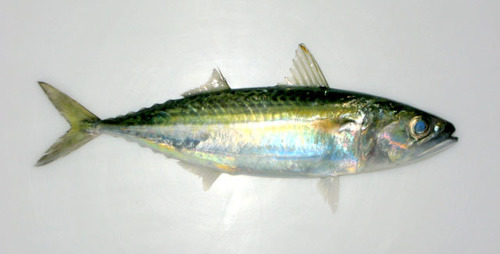
Island Mackerel
Rastrelliger faughni
A shimmering marvel of the Indo-Pacific, the Island Mackerel is a master of speed and social survival. These silvery sprinters are the heartbeat of the reef's pelagic life.
Quick Identification
Size
Typically 15–20 cm (6–8 inches) in length; maximum weight approximately 0.75 kg (1.65 lbs)
Colors
Silvery-white belly and sides with a blue-green iridescent back; features rows of faint dark spots along the upper back and a yellowish tint on the fins.
Key Features
- Streamlined fusiform body shape
- Two widely separated dorsal fins
- Short, pointed head with large eyes
- Small finlets located behind the dorsal and anal fins
- Silvery iridescent scales with dark longitudinal markings
When You’ll See Them
Geographic range
Where Does the Island Mackerel Live?
The Island Mackerel is a native inhabitant of the warm tropical waters within the Indo-Pacific region. Its primary range spans from the eastern coasts of India and the Andaman Sea through the vast Southeast Asian archipelago, including the coastal waters of Thailand, Malaysia, Indonesia, and the Philippines. Beyond the Asian mainland, they are also commonly found near the islands of Papua New Guinea and as far east as Fiji, sticking primarily to continental shelves and reef-adjacent waters.
Basemap © OpenStreetMap contributors
Behavior
Island Mackerel are fast-moving, pelagic fish that spend their lives in large, highly coordinated schools. This schooling behavior is a primary defense mechanism, creating a shimmering mass that confuses predators like sharks, tuna, and larger trevally. They are incredibly agile swimmers, constantly on the move to maintain a flow of oxygenated water over their gills and to locate patches of plankton-rich water.
These fish are generally wary of large disturbances but are frequently found near coastal structures such as jetties and piers, where they may seek shelter from open-water currents. They do not have significant direct interactions with humans beyond being a target for artisanal fishers, but they are a cornerstone species in the tropical marine food web, bridging the gap between microscopic plankton and apex marine predators.
EverydayEarth exclusive
Camera Tips
Capturing the Island Mackerel requires transitioning your backyard camera setup into the marine environment. Using a high-quality waterproof action camera or a dedicated underwater trail camera is essential. For the best results, mount the camera on a stable, submerged structure like a pier piling, a boat mooring line, or a weighted 'lobster pot' style base placed near a reef edge. Aim the camera horizontally or slightly upward toward the water's surface to capture the shimmering light reflecting off their silvery scales.
To bring the school into frame, utilize scent-based lures. A small mesh bag filled with 'chum'—oily fish scraps, crushed shrimp, or canned sardines in oil—is highly effective. Secure the bait bag approximately 1-2 meters in front of the lens. The Island Mackerel's keen sense of smell will lead the school directly to the scent trail, often resulting in spectacular footage of dozens of fish darting in and out of the frame.
Because these fish are incredibly fast, standard motion-detection settings on trail cameras can be hit-or-miss. If your camera supports it, use a high-speed video mode (60 FPS or higher) to prevent motion blur. If you are using a traditional motion sensor, set the trigger interval to the shortest possible time. Bright, midday sun is your friend here, as it provides the necessary light to penetrate the water and highlight the iridescent greens and blues on the fish's back.
Pay attention to the tides and water clarity. The best footage is usually captured during a rising tide when fresh, clear ocean water enters the coastal zone, reducing the 'backscatter' of silt and particles in your video. Avoid placing cameras in areas with heavy surf, as the bubbles and debris will cause constant false triggers and obscure the fish. If your camera has a time-lapse function, consider setting it to take a photo every 5-10 seconds over a two-hour window during the morning feeding peak.
Similar Species
Species that look similar or are commonly confused with Island Mackerel.
Frequently Asked Questions
Record Island Mackerel at your habitat
Connect a camera to start building your own species record — AI identifies every visitor automatically.