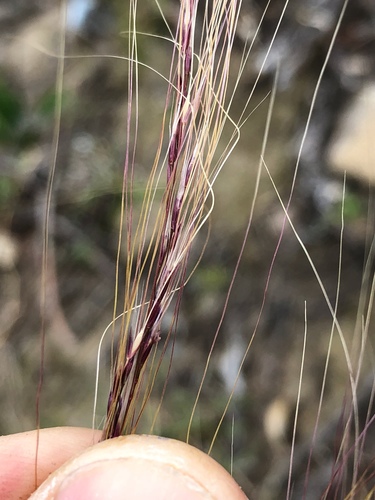
Mexican feathergrass
Nassella tenuissima
Transform your backyard into a shimmering sea of gold with Mexican feathergrass, a hardy ornamental that dances in the slightest breeze. This drought-tolerant beauty is a favorite for photographers seeking to capture the magical 'golden hour' glow.
Quick Identification
Size
12-24 inches (30-60 cm) tall; 12-30 inches (30-75 cm) wide
Colors
Bright lime-green foliage maturing to a shimmering golden-blonde or silvery-tan
Key Features
- Extremely fine, hair-like leaf texture
- Wispy, feather-like flower panicles
- Dense, fountain-shaped clumping habit
- Constant fluid movement even in light breezes
When You’ll See Them
Behavior
Mexican feathergrass is a perennial ornamental grass known for its extraordinary grace and fluid motion. Unlike many rigid garden plants, this species acts as a visual barometer for the wind, swaying with even the slightest air current. It grows in tight, neat mounds, sending up hundreds of hair-like stems that create a soft, cloud-like silhouette in the landscape.
As the season progresses from spring to summer, the plant undergoes a beautiful color shift. It begins with a vibrant, refreshing green and transitions into a bleached, golden hue as the seed heads mature. While it is beloved by gardeners for its drought tolerance and ethereal beauty, it is a prolific self-seeder. In residential settings, it often interacts with local songbirds who use the fine, soft fibers as nesting material during the spring months.
EverydayEarth exclusive
Camera Tips
To capture the true essence of Mexican feathergrass on camera, lighting is everything. Position your camera so it faces the sun (backlighting). When the low sun of early morning or late afternoon shines through the fine, translucent blades, the entire plant appears to glow with a halo effect. This 'rim lighting' highlights the delicate texture that is often lost in flat, midday light.
Because this plant's most striking feature is its movement, use your camera’s video or 'burst' mode rather than static photos. If you are using a trigger-based trail camera, set the sensitivity to high. The swaying motion of the grass is often enough to trigger a recording, allowing you to capture the rhythmic, wave-like patterns it creates during a breeze. For a more artistic approach, set up a time-lapse over several hours to watch how the 'clump' shifts and dances as weather patterns change.
Consider the height of your camera placement. A low-angle shot, looking slightly upward through the grass, can make a small 2-foot mound look like a vast, golden prairie. This perspective is also excellent for catching small backyard visitors, like sparrows or finches, that frequently dive into the grass to forage for seeds or gather nesting fibers.
Lastly, pay attention to the seasons. In late summer, the seed heads become heavy and golden. Use a macro setting or move the camera closer (within 2-3 feet) to capture the intricate detail of the feathery 'awns.' If your camera has a high frame rate setting, use it to create a slow-motion effect of the grass blowing, which creates a meditative and professional-looking wildlife clip.
Similar Species
Species that look similar or are commonly confused with Mexican feathergrass.
Frequently Asked Questions
Record Mexican feathergrass at your habitat
Connect a camera to start building your own species record — AI identifies every visitor automatically.