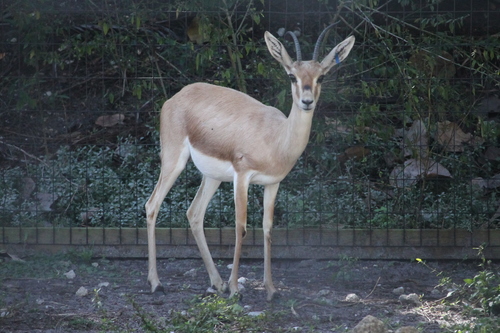
Rhim Gazelle
Gazella leptoceros
The Rhim Gazelle is a master of Saharan survival, a delicate and endangered beauty that thrives where few other mammals can. With its shimmering pale coat and iconic slender horns, it remains one of the most elusive sightings in the natural world.
Quick Identification
Size
65-72 cm (25-28 in) at the shoulder; Weight 20-30 kg (44-66 lbs)
Colors
Pale cream or buff upper body with a white underside; indistinct pale facial stripes; dark tip on the tail
Key Features
- Exceptionally long, slender, S-shaped horns
- Extremely pale, cream-colored coat for desert camouflage
- Enlarged, broad hooves for walking on soft sand
- Faint facial markings compared to other gazelle species
When You’ll See Them
Behavior
Socially, they form small herds typically consisting of three to ten individuals, though males can be territorial during the breeding season. They are incredibly wary and possess keen senses of sight and hearing to detect predators in the wide-open landscape. Because they live in some of the world's most arid regions, they have evolved to go their entire lives without drinking standing water, instead absorbing all necessary hydration from the dew and succulent plants they consume.
EverydayEarth exclusive
Camera Tips
Lighting is your biggest hurdle in the desert. The white sands can easily 'blow out' an image, making the pale gazelle look like a white blur. Use a camera with high dynamic range settings or adjustable exposure to compensate for the midday glare. Since these animals are most active at dawn and dusk, ensure your camera has a high-quality low-light sensor. For nighttime shots, it is imperative to use 'No-Glow' (940nm) infrared flash. Rhim Gazelles are hyper-sensitive to light and sound; a standard 'Red Glow' IR flash will likely spook them, causing them to avoid that path for weeks.
Because they are nomadic and density is low, leave your camera in place for at least a month to increase the probability of a pass-by. Avoid using food-based baits which can attract unwanted predators or scavengers that might drive the gazelles away. Instead, look for natural mineral licks or the rare patches of green vegetation that appear after a desert rain. Finally, ensure your camera housing is sand-proof; fine Saharan dust can infiltrate standard seals, so using an additional protective 'bear box' or reinforced housing can help maintain your equipment in the harsh environment.
Similar Species
Species that look similar or are commonly confused with Rhim Gazelle.
Frequently Asked Questions
Record Rhim Gazelle at your habitat
Connect a camera to start building your own species record — AI identifies every visitor automatically.