Wapiti
Cervus canadensis
Witness the 'ghosts of the forest' in your own backyard. From the haunting bugles of the autumn rut to their stately presence in winter meadows, the Wapiti is the ultimate prize for any trail camera enthusiast.
Quick Identification
Size
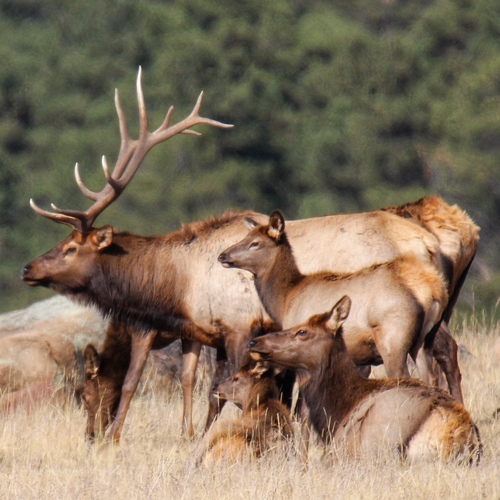
Height: 4–5 ft (1.2–1.5 m) at shoulder; Length: 7–9 ft (2.1–2.7 m); Weight: 500–1,100 lbs (225–500 kg)
Colors
Tawny or light brown body with a distinctive cream or buff-colored rump patch; dark brown shaggy mane on the neck and chest.
Key Features
- Large cream-colored rump patch
- Dark, shaggy mane on neck and chest
- Large branching antlers on males (bulls)
- Noticeably larger than white-tailed or mule deer
When You’ll See Them
Sightings on EverydayEarth
May 11, 2026
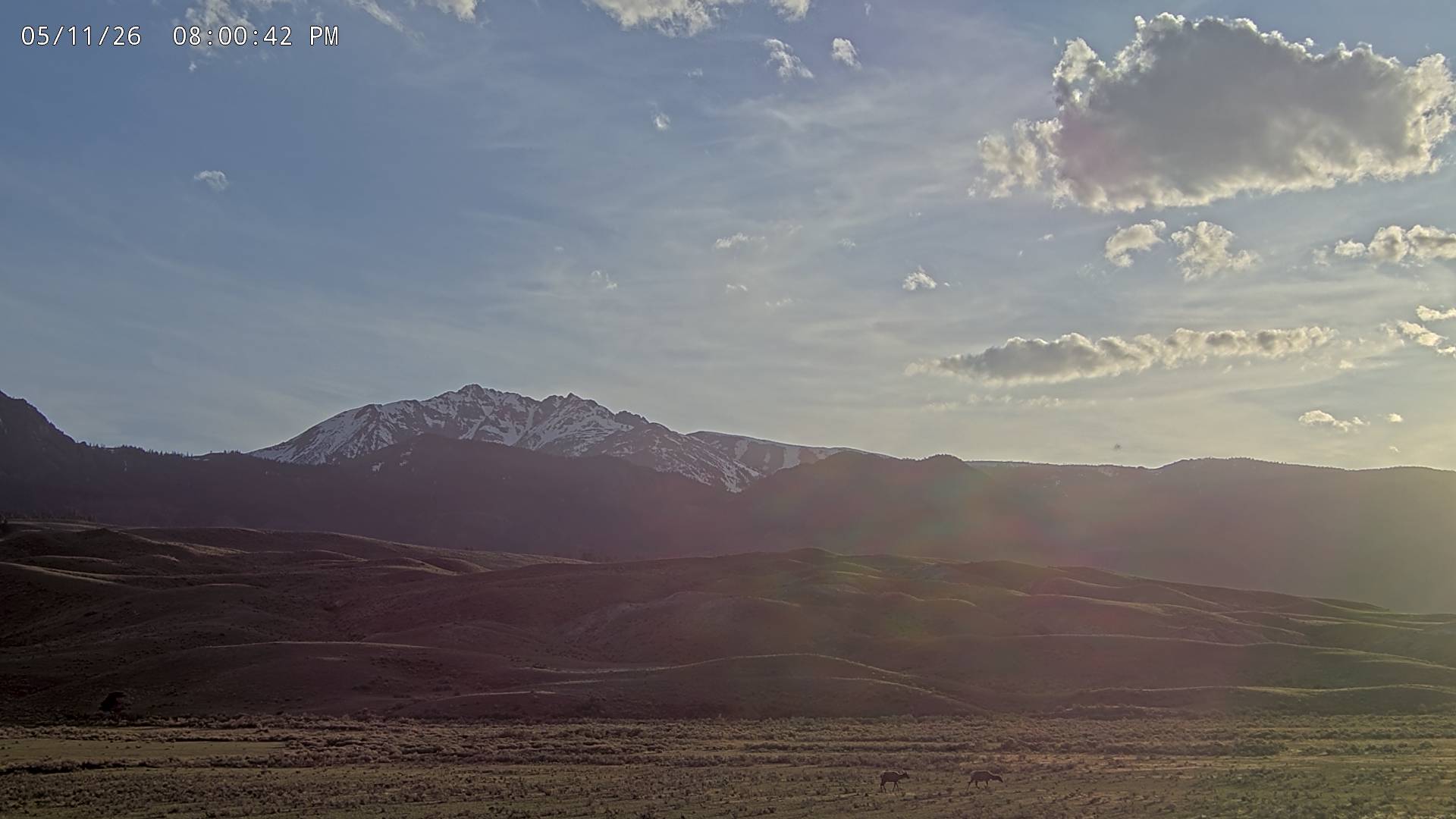
Two elk are seen grazing in the expansive meadow during the evening golden hour. They are positioned in the lower right portion of the frame, moving slowly across the grassy terrain as the sun sets behind the mountains.
May 10, 2026
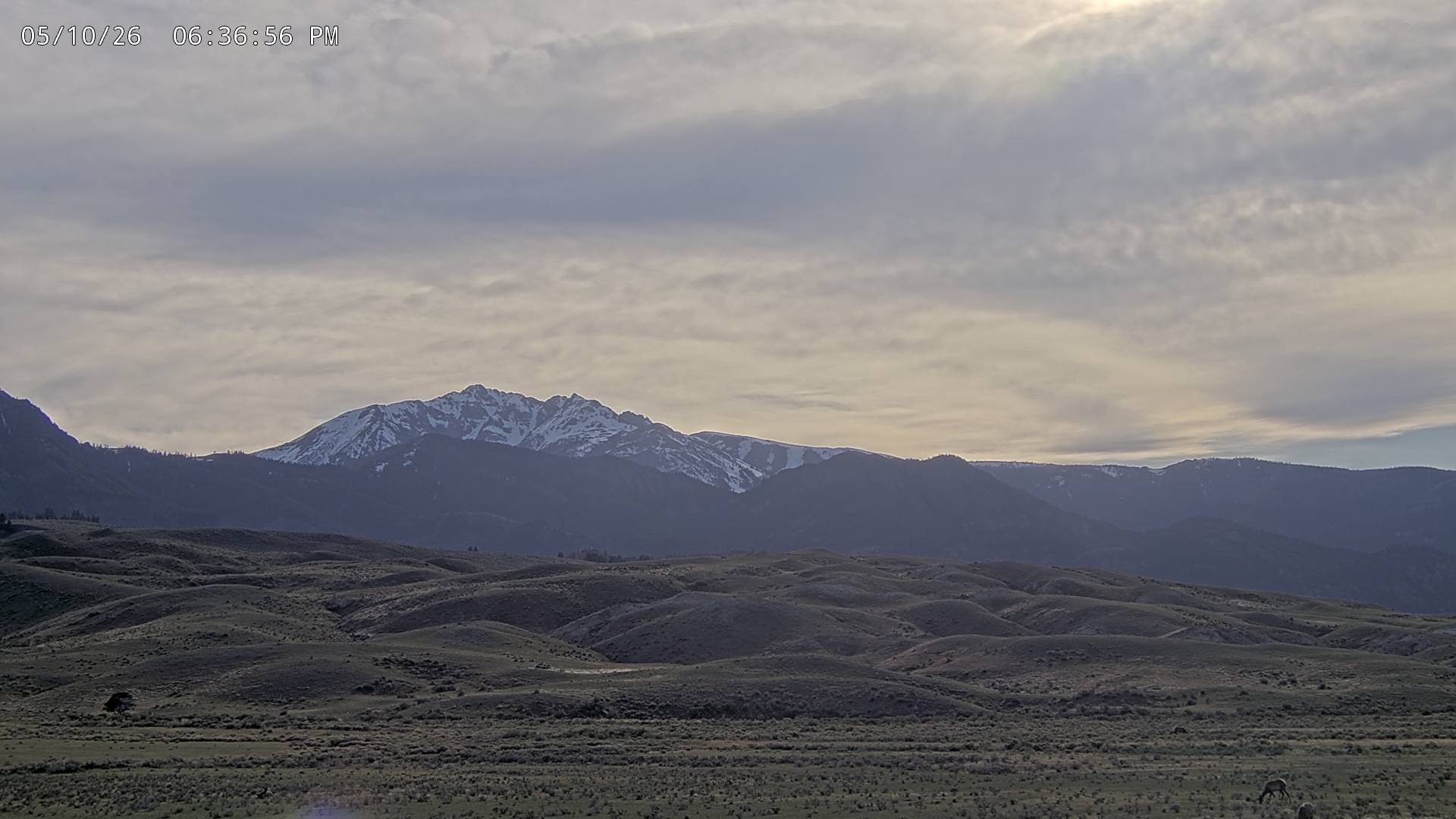
The evening light settles over a vast mountain landscape. In the lower-right foreground, a lone Wapiti is visible grazing on the rolling hills beneath the distant, snow-covered peaks.
May 7, 2026
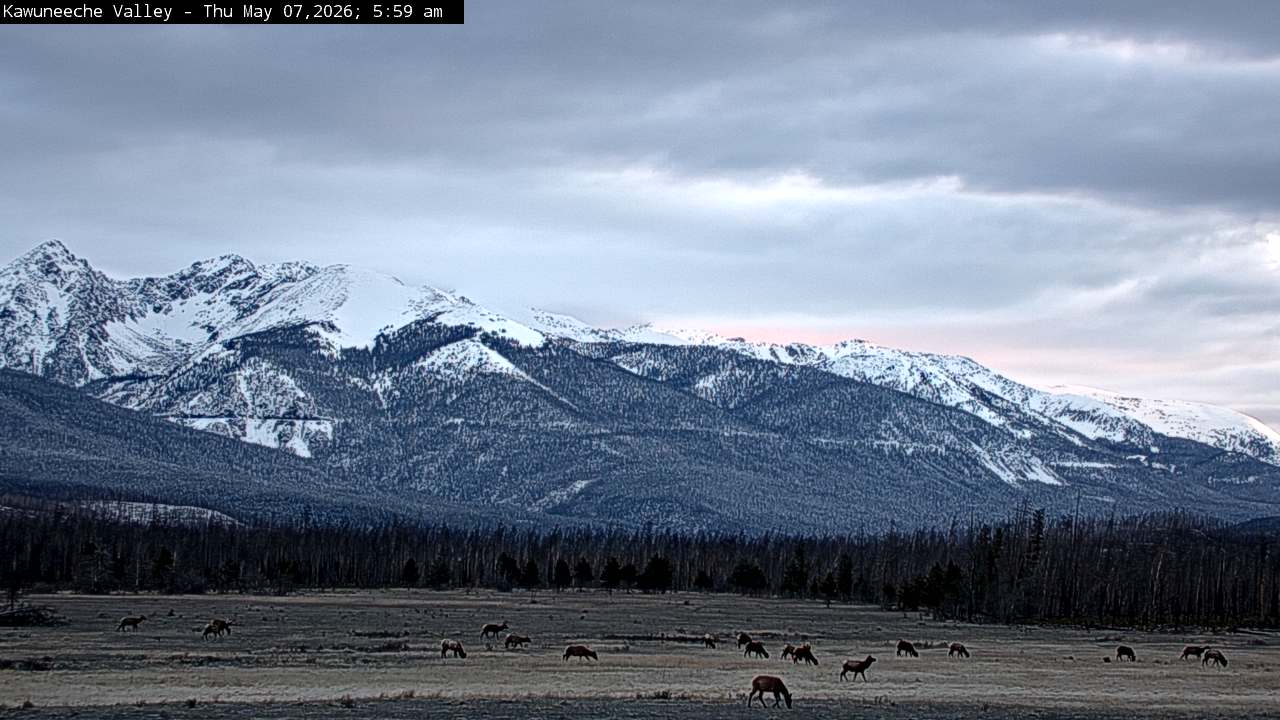
A large herd of elk is spread across Harbison Meadow at dawn. Most of the animals are grazing on the valley floor, while several individuals are standing alert, looking across the open landscape.
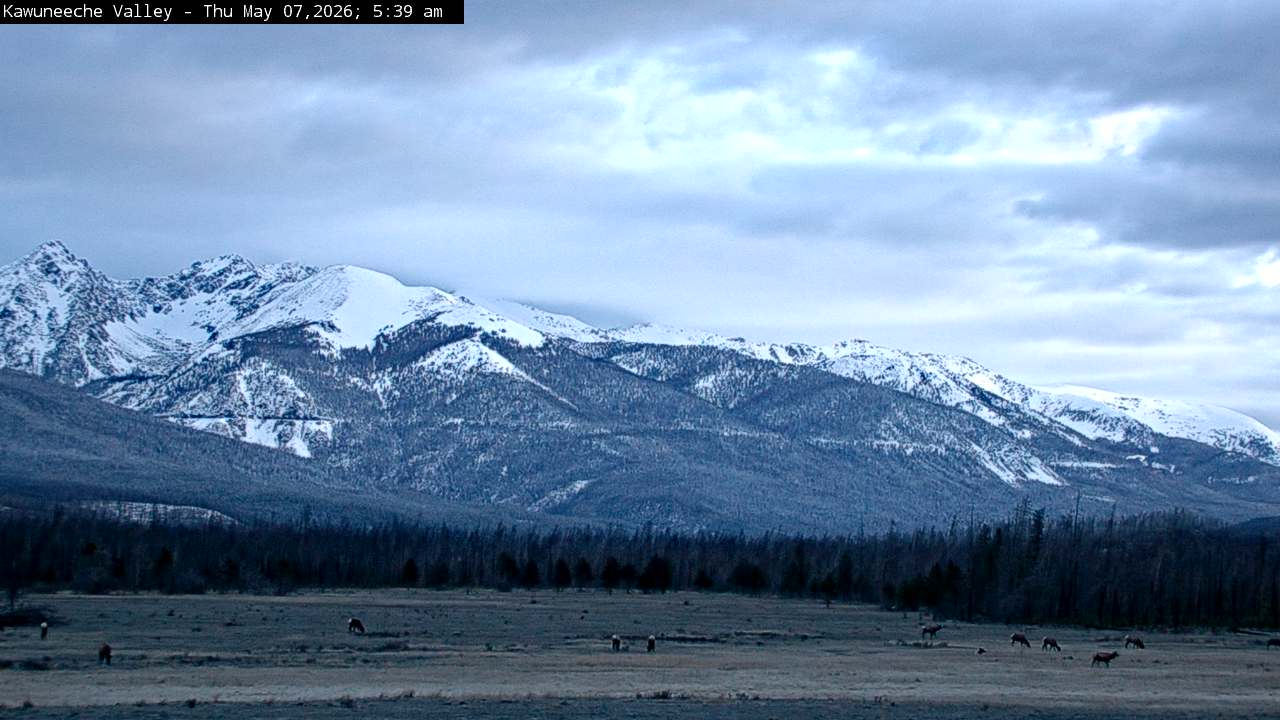
May 7, 2026
A herd of elk is seen grazing across the expanse of Harbison Meadow in the early morning light. Several individuals are scattered across the field, foraging against the backdrop of the snow-dusted Never Summer Mountains.
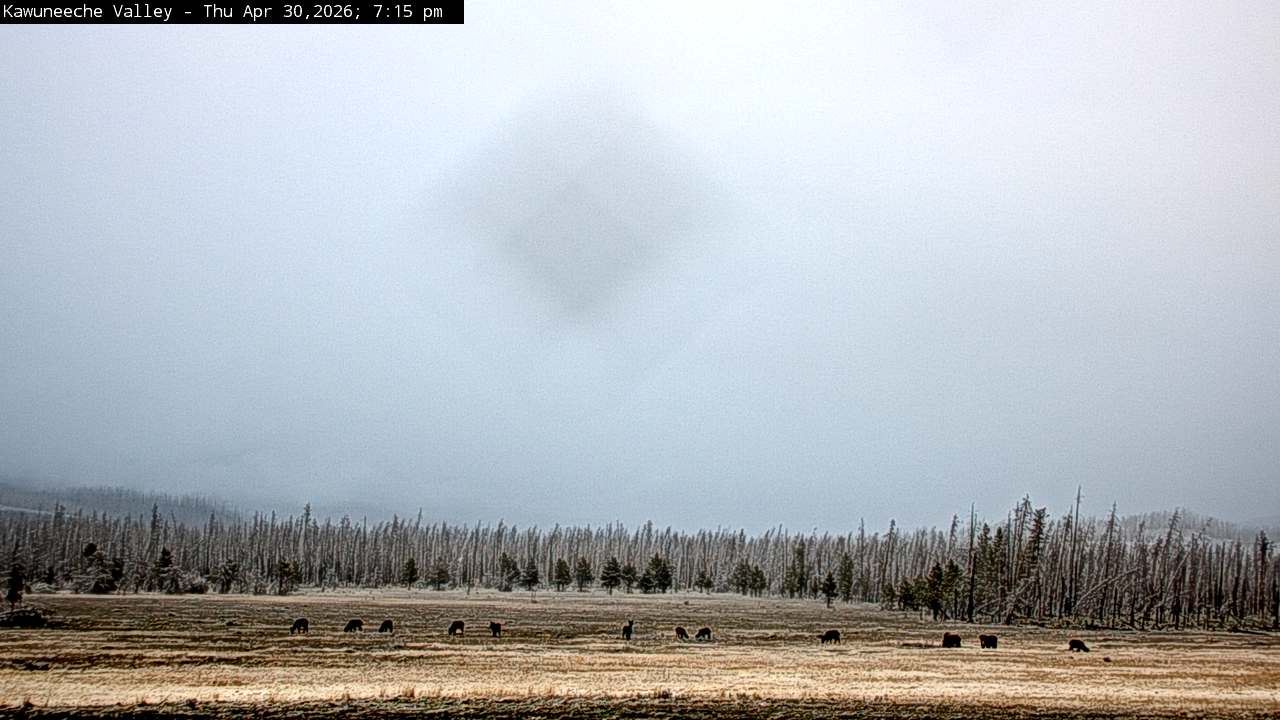
Apr 30, 2026
A herd of Wapiti is dispersed across Harbison Meadow, grazing in the late evening light. The animals are visible as dark silhouettes against the lighter grass of the valley floor.
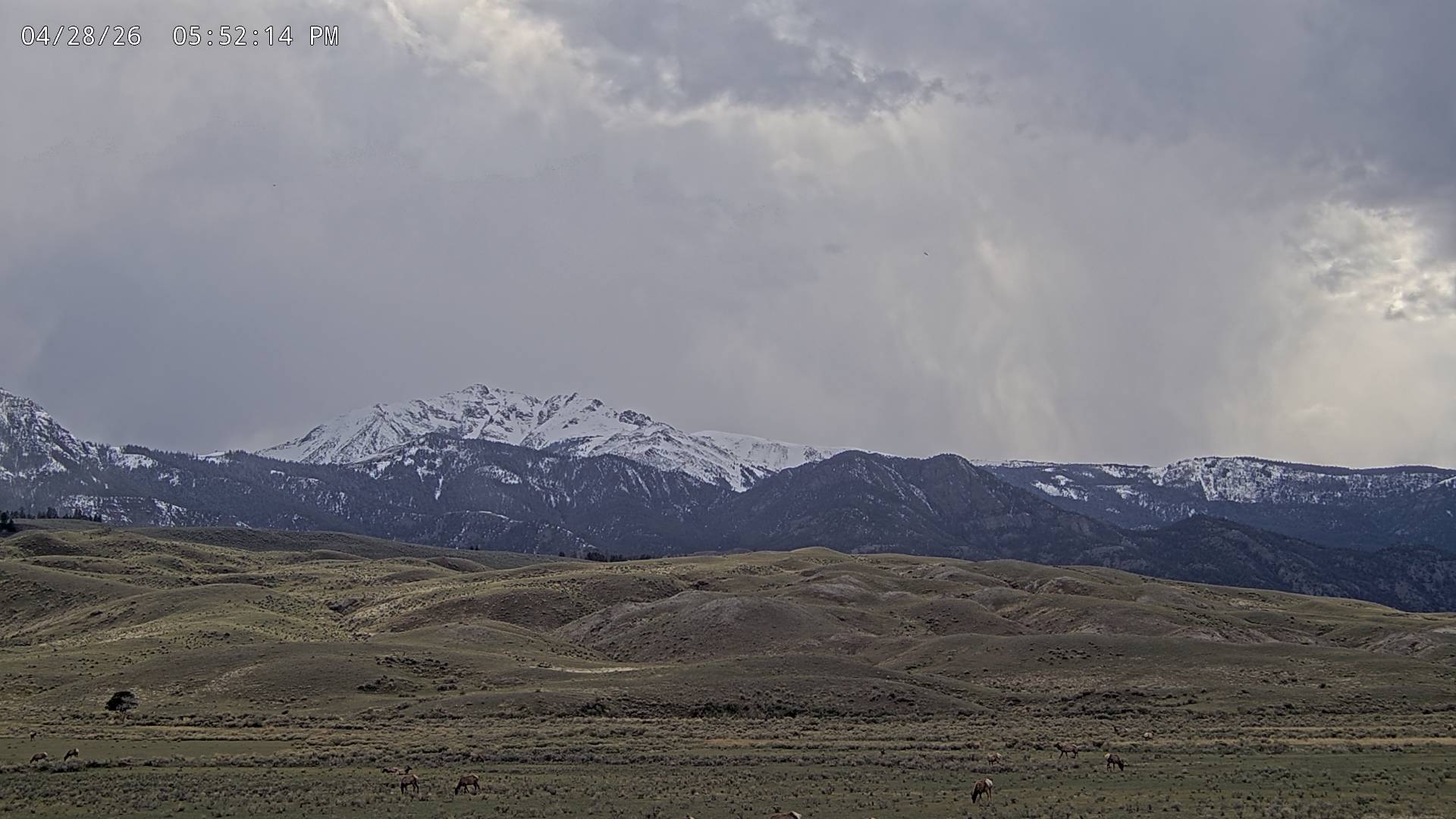
Apr 28, 2026
A group of elk is scattered across the landscape, grazing on the early spring grasses. The animals are spread throughout the lower portion of the frame against a backdrop of rolling hills and snow-dusted mountains under a heavy, overcast sky.
Behavior
Wapiti, commonly known as elk, are highly social animals that spend most of the year in sex-segregated herds. Cow elk lead matriarchal groups consisting of females and their young offspring, while bulls typically form smaller bachelor groups or live solitary lives. Their social structure shifts dramatically during the autumn "rut," or mating season, when dominant bulls compete for the attention of harems through vocalizations and physical displays of strength.
These animals are famous for their "bugle," a haunting, multi-tonal vocalization that can carry for miles. In the wild, they are cautious and rely on their keen senses of smell and hearing to detect predators. While they are generally wary of humans, they can become quite bold in suburban areas where greenbelts and gardens provide easy forage, occasionally leading to majestic but tense encounters in residential neighborhoods.
EverydayEarth exclusive
Camera Tips
When setting up a camera for Wapiti, mounting height is the most critical factor. Unlike smaller backyard wildlife, elk require a camera placed roughly 4 to 5 feet off the ground to capture their full profile. If you mount the camera too low, you may only get shots of their legs or chests. To ensure you capture the magnificent antlers of a bull, position the camera 15 to 20 feet back from a trail or water source; this wider field of view prevents their large bodies from being overexposed by the infrared flash at night.
Look for "funnel" points on your property, such as gaps in fencing, creek crossings, or transitions between dense timber and open meadows. Elk are creatures of habit and will often follow the exact same path every evening as they move from their bedding areas to their feeding grounds. During the autumn rut, consider setting your camera to video mode with high-quality audio enabled. This is the only way to truly capture the experience of a bull bugling—a sound that defines the wilderness of the West.
Scent management is vital because elk have an incredibly sensitive sense of smell. Wear clean gloves when handling your camera and avoid visiting the site too frequently. If local regulations allow, a mineral block or a salt lick can be a powerful attractant that keeps them in front of the lens for longer durations. Finally, during the winter, keep your camera batteries fresh; the cold can drain them quickly, and winter is a prime time to see elk moving in larger groups as they seek lower elevations and easier access to food.
Similar Species
Species that look similar or are commonly confused with Wapiti.
Moose
Much larger and darker with a bulbous nose and palmated antlers; lacks the cream-colored rump patch of the elk.
Mule Deer
Smaller with much larger ears relative to their head size and a thin, rope-like tail with a black tip.
White-tailed Deer
Significantly smaller with a reddish-brown summer coat and a tail that shows a bright white underside when raised in alarm.
Frequently Asked Questions
Record Wapiti at your habitat
Connect a camera to start building your own species record — AI identifies every visitor automatically.