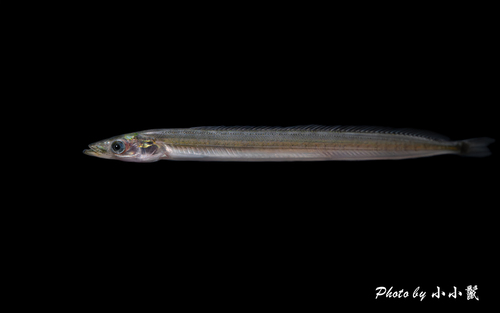
American Sand Lance
Ammodytes americanus
The American Sand Lance is the shimmering 'hidden' hero of the Atlantic coast, famous for its incredible ability to vanish into the sand in the blink of an eye. A vital food source for whales and seabirds alike, these slender swimmers are a masterclass in coastal survival.
Quick Identification
Size
Typically 10-18 cm (4-7 inches) in length, occasionally reaching up to 20 cm (8 inches)
Colors
Iridescent olive, bluish, or brownish back with brilliant silvery sides and a white belly; no distinct spots or bars
Key Features
- Extremely slender, needle-like body shape
- Pointed snout with a lower jaw that protrudes beyond the upper jaw
- Long dorsal fin spanning most of the back
- Complete lack of pelvic fins
When You’ll See Them
Geographic range
Where Does the American Sand Lance Live?
Native to the western North Atlantic Ocean, the American Sand Lance is a coastal specialist. Its core range extends from the frigid waters of Labrador and Newfoundland in Canada southward along the Eastern Seaboard to the shores of North Carolina in the United States. These fish are most concentrated in the shallow waters of the continental shelf where sandy bottoms provide the perfect refuge for their burrowing habits.
Basemap © OpenStreetMap contributors
Behavior
The American Sand Lance is a highly social species that travels in massive, shimmering schools. During the day, they are active foragers, cruising the upper layers of the water column to feed on drifting plankton. Their movement is fluid and lightning-fast, making them a difficult target for the many predators that rely on them for food.
As dusk approaches, the Sand Lance exhibits its most unique behavior: it dives headfirst into the seafloor. They prefer coarse sand and will bury themselves between 1 and 6 inches deep to sleep and hide from nocturnal predators like striped bass and bluefish. They are essentially 'seasonal' residents of the intertidal zone, moving in and out with the tides and changing water temperatures.
EverydayEarth exclusive
Camera Tips
Capturing the American Sand Lance requires an underwater camera setup, such as a waterproof action camera or a specialized submersible trail cam. For those with 'backyard' access to coastal docks or sandy beaches, the best placement is directly on the sandy bottom in shallow water (1-3 feet deep) during an incoming tide. Angle the camera horizontally across the sand's surface to catch the moment they emerge or dive.
Since these fish are attracted to light and movement, look for 'shimmering' patches of water which indicate a school is nearby. You don't need traditional bait, but stirring up the sand slightly before placing your camera can release nutrients and small organisms that attract a school to investigate the area. Use a high frame rate setting (60fps or higher) because their movements are incredibly rapid; standard trail cam speeds often result in a silver blur.
The best time for filming is midday when the sun is directly overhead, providing the maximum amount of light to penetrate the water and make their silvery scales pop against the sand. In the evening, if you are lucky, you can capture the 'rain' effect on your camera as hundreds of Sand Lance dive into the substrate simultaneously to bed down for the night.
Similar Species
Species that look similar or are commonly confused with American Sand Lance.
Frequently Asked Questions
Record American Sand Lance at your habitat
Connect a camera to start building your own species record — AI identifies every visitor automatically.