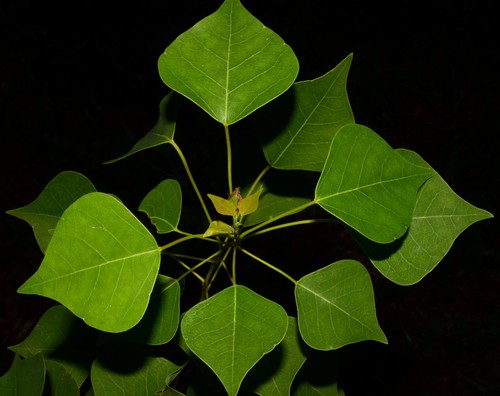
Chinese Tallow
Triadica sebifera
Famous for its 'popcorn' seeds and electric autumn colors, the Chinese Tallow is a resilient survivor that brings a burst of winter energy to any backyard camera setup.
Quick Identification
Size
Height 9–12 meters (30–40 feet), occasionally reaching 15 meters (50 feet); trunk diameter up to 60 cm (24 inches).
Colors
Light to medium green leaves that turn brilliant scarlet, orange, and purple in autumn; distinctive white, waxy seeds; gray-brown fissured bark.
Key Features
- Broadly ovate, heart-shaped leaves with a distinct pointed tip
- Three-lobed seed capsules that split to reveal three white 'popcorn' seeds
- Milky white sap produced when leaves or stems are broken
- Yellow-green catkin-like flowers appearing in late spring
When You’ll See Them
Geographic range
Where Does the Chinese Tallow Live?
The Chinese Tallow is native to eastern Asia, specifically central and eastern China, Japan, and Taiwan, where it has been cultivated for centuries. In the late 1700s, it was introduced to the United States and has since established a massive footprint across the Southeast, from Texas to North Carolina. It is also found as an introduced species in parts of Australia, Europe, and South America, frequently thriving in humid subtropical climates where it often escapes garden cultivation to dominate local wild spaces.
Basemap © OpenStreetMap contributors
Behavior
The Chinese Tallow is a fast-growing, deciduous tree known for its remarkable adaptability and resilience. It is highly opportunistic, often being the first species to colonize disturbed soil or areas affected by floods and fires. While it provides a stunning aesthetic display in the autumn with its rainbow of foliage, it is considered a highly invasive species in many parts of the world, including the southern United States, where it can quickly transform diverse ecosystems into monocultures.
For the backyard observer, this tree is a hub of activity during the late autumn and winter. Unlike many trees that shed their fruit early, the Chinese Tallow holds onto its fat-rich, waxy white seeds throughout the colder months. This makes it a critical, albeit controversial, food source for migratory and overwintering birds who rely on the high lipid content of the seeds to maintain their energy levels during freezes.
EverydayEarth exclusive
Camera Tips
Capturing the Chinese Tallow on camera is best approached as a study of the wildlife it attracts. During the winter months, position your camera with a clear view of the upper branches where the white, popcorn-like seeds are clustered. These seeds are a magnet for Cedar Waxwings, Northern Cardinals, and various woodpeckers. Because the white seeds can be highly reflective in bright sunlight, you may need to adjust your exposure compensation slightly downward to avoid 'blowing out' the highlights and losing the texture of the seeds.
If you are using a trail camera for time-lapse photography, the Chinese Tallow is a perfect subject for documenting the changing of the seasons. Set your camera to take one or two photos per day from late September through November. The rapid transition from green to vibrant shades of purple and red is one of the most dramatic in the botanical world, and a well-placed camera can capture this transformation beautifully against a backdrop of more stagnant evergreen species.
For those interested in ground-level activity, place your camera near the base of the tree during the spring. The tree drops a significant amount of leaf litter and spent catkins which attract foraging insects and, subsequently, insectivorous birds and small mammals. Ensure your camera is protected from moisture, as Chinese Tallows are often located in damp or low-lying areas where morning fog and dew are common.
Similar Species
Species that look similar or are commonly confused with Chinese Tallow.
Frequently Asked Questions
Record Chinese Tallow at your habitat
Connect a camera to start building your own species record — AI identifies every visitor automatically.