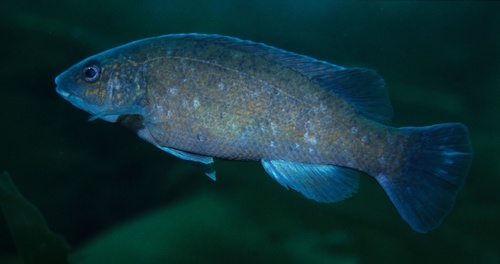
Cunner
Tautogolabrus adspersus
The Cunner is the curious 'sea perch' of the Atlantic coast, a master of camouflage that thrives in the nooks and crannies of rocky reefs and shipwrecks. Known for their inquisitive nature, these colorful wrasses are the perfect subjects for anyone exploring the underwater world of the North American shoreline.
Quick Identification
Size
Typically 15-25 cm (6-10 in) long, but can reach up to 38 cm (15 in); weights usually range from 0.2-1 kg (0.5-2.2 lbs).
Colors
Variable based on habitat, ranging from mottled reddish-brown and olive-green to charcoal; often feature blue or turquoise highlights on the fins and gill covers.
Key Features
- Pointed snout with small mouth and thick lips
- Single continuous dorsal fin with sharp spines
- Mottled or spotted camouflage pattern
- Blue-tinted highlights on fins in some individuals
When You’ll See Them
Geographic range
Where Does the Cunner Live?
The Cunner is a staple of the Northwestern Atlantic coastline, native to the cold and temperate waters of North America. Its range begins in the north around Newfoundland and the Gulf of St. Lawrence, extending southward along the rugged coasts of New England and the Mid-Atlantic to the mouth of the Chesapeake Bay. While they are occasionally found in deeper offshore waters, they are most densely concentrated in the shallow, structural environments of the inner continental shelf.
Basemap © OpenStreetMap contributors
Behavior
The Cunner is a highly inquisitive and opportunistic member of the wrasse family. Unlike many fish that flee at the first sign of movement, Cunners are known for their 'curious' nature, often approaching divers or underwater cameras to investigate. They are diurnal, meaning they are active during daylight hours, spending their time darting between rocky crevices and seaweed beds in search of food.
During the winter months, when water temperatures drop significantly, Cunners enter a fascinating state of torpor. They retreat deep into rock crevices or under wharf pilings, remaining nearly motionless and effectively 'sleeping' through the coldest part of the year. In warmer months, they are highly social but can be territorial over specific structural 'real estate' like a favorite section of a shipwreck or a specific piling.
EverydayEarth exclusive
Camera Tips
To capture high-quality footage of Cunners, an underwater action camera or a specialized dock-mounted camera is essential. Because these fish are structure-oriented, mount your camera directly onto a pier piling or a submerged rock wall. Positioning the lens about 1 to 2 feet above the seabed will provide the best view of their natural foraging behavior. Use a wide-angle lens to capture the darting movements of the school.
Since Cunners are famously motivated by food, a mesh bait bag is your best friend. Fill a small wire or nylon mesh bag with crushed mussels, barnacles, or even a punctured tin of sardines, and secure it directly in front of the camera lens. The 'nibbling' action of the Cunner is a highlight for video enthusiasts, as they will often get extremely close to the lens to pick at the bait, providing excellent detail of their scales and small, sharp teeth.
Lighting is a critical factor in coastal waters which can often be murky. Aim for filming during the middle of the day (10 AM to 2 PM) when the sun is directly overhead to maximize natural light penetration. If you are filming under a dark pier, a small waterproof LED light can help pop the mottled colors of their skin. Be sure to use a tether for your camera, as the rocky habitats Cunners love can easily snag equipment during retrieval.
Similar Species
Species that look similar or are commonly confused with Cunner.
Frequently Asked Questions
Record Cunner at your habitat
Connect a camera to start building your own species record — AI identifies every visitor automatically.