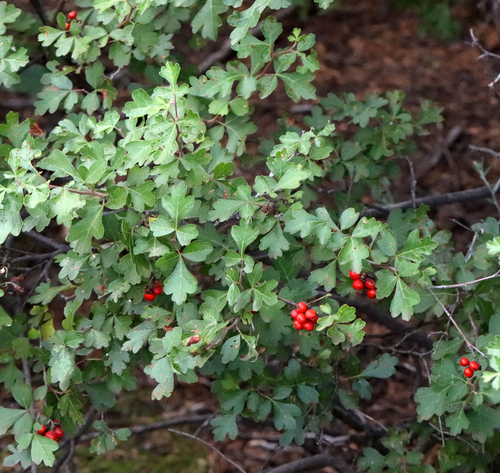
fragrant sumac
Rhus aromatica
A powerhouse of the backyard ecosystem, fragrant sumac offers citrus-scented foliage, brilliant fall colors, and essential winter food for birds. Its low, dense growth makes it the ultimate sanctuary for local wildlife and a prime spot for trail camera discoveries.
Quick Identification
Size
2-6 feet (0.6-1.8 meters) tall with a spread of 6-10 feet (1.8-3 meters)
Colors
Glossy green leaves turning bright orange, red, and purple in fall; tiny yellow spring flowers; fuzzy red berries
Key Features
- Three-lobed leaves that smell like citrus when crushed
- Clusters of tiny yellow flowers appearing before leaves in spring
- Fuzzy, bright red berry-like drupes on female plants
- Low-growing, sprawling mounded growth habit
When You’ll See Them
Behavior
Unlike its taller cousins, this sumac stays low to the ground, making it an excellent choice for stabilizing slopes and creating thickets. While it spreads through underground rhizomes, it is not considered invasive in its native range. In the winter, its berries—which are actually dry drupes—serve as a 'last resort' food source for birds, remaining on the branches long after other fruits have been eaten or decayed.
EverydayEarth exclusive
Camera Tips
Because this plant produces tiny yellow flowers before its leaves emerge in early spring, it provides a unique opportunity to film rare early-season pollinators. Set your camera to 'Photo + Video' mode with high sensitivity during the month of April. This is when you'll catch clear shots of mining bees and mourning cloak butterflies that are desperate for early nectar. Use a camera with a short focal distance if possible, as the best action happens right on the flower clusters.
During the summer months, the dense foliage of fragrant sumac can create a 'blind spot' for motion sensors. To avoid thousands of empty clips caused by wind-blown leaves, trim back any small branches that are within 3 feet of the lens. Position the camera so it looks into a natural gap or 'tunnel' within the shrubbery; these are the preferred travel lanes for rabbits, chipmunks, and even foxes who use the sumac for cover.
The vibrant autumn color of the fragrant sumac provides a stunning, high-contrast backdrop for any backyard wildlife footage. For the most professional-looking results, face your camera North or South. This prevents the low autumn sun from blowing out the highlights on the brilliant red leaves, ensuring that the AI can accurately identify any animals passing through the frame against the colorful foliage.
Similar Species
Species that look similar or are commonly confused with fragrant sumac.
Smooth Sumac
Smooth sumac grows much taller (up to 15 feet) and has long, pinnately compound leaves with 9-31 leaflets, unlike the 3 leaflets of fragrant sumac.
Skunkbush Sumac
A western relative that looks very similar, but its crushed leaves have a much more pungent, unpleasant odor compared to the citrus scent of fragrant sumac.
Frequently Asked Questions
Record fragrant sumac at your habitat
Connect a camera to start building your own species record — AI identifies every visitor automatically.