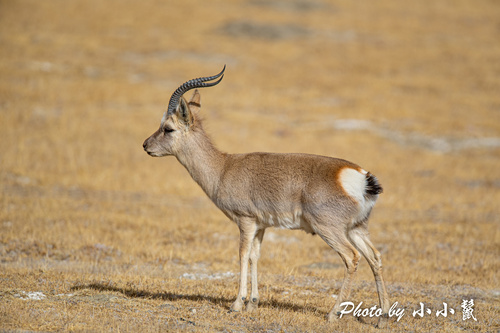
Tibetan Gazelle
Procapra picticaudata
The Tibetan Gazelle is a pint-sized master of the high-altitude steppe, easily identified by its unique heart-shaped rump and incredible agility. Thriving in some of the harshest conditions on Earth, this 'Goa' is a true symbol of the wild Tibetan Plateau.
Quick Identification
Size
36–41 in (91–105 cm) length; 21–26 in (54–65 cm) shoulder height; 29–35 lbs (13–16 kg)
Colors
Sandy-brown or greyish coat with a prominent heart-shaped white rump patch; white underparts; males have long, thin, backward-curved horns.
Key Features
- Distinctive heart-shaped white rump patch
- Thin, dark, backward-curved horns in males
- Short, black-tipped tail
- Slender, delicate build adapted for high altitudes
When You’ll See Them
Geographic range
Where Does the Tibetan Gazelle Live?
Native to the rugged heart of the Asian continent, the Tibetan Gazelle is an icon of the 'Roof of the World.' Its core range is concentrated within the high-altitude Tibetan Plateau of China, spanning the provinces of Tibet, Qinghai, Gansu, and Xinjiang. Smaller, isolated populations can also be found in the remote northern border regions of India, specifically in the Ladakh region and the alpine meadows of northern Sikkim. These animals are true high-altitude specialists, rarely descending below the timberline and remaining within their native plateau year-round.
Basemap © OpenStreetMap contributors
Behavior
Tibetan Gazelles, often known by their local name 'Goa,' are exceptionally hardy and agile mammals. They are primarily diurnal, meaning they are active during daylight hours, which helps them navigate the treacherous terrain and avoid the extreme cold of the Tibetan nights. Unlike many other antelope species, they do not form massive herds; instead, they are usually seen in small, intimate groups of two to ten individuals, though these groups may briefly merge during the winter months.
These gazelles are known for their incredible speed and wary nature. When sensing a predator, such as a snow leopard or a Tibetan wolf, they bound across the steppe with a characteristic grace. They are not particularly vocal, relying instead on their keen sense of sight and smell to communicate and detect danger. Their relationship with humans is generally one of extreme caution, as they have historically been hunted, though they are now a protected species in many parts of their range.
EverydayEarth exclusive
Camera Tips
Capturing the Tibetan Gazelle on camera requires a specialized approach due to their extreme environment and skittish nature. Because they inhabit wide-open, featureless plains, traditional trail camera placement on trees is rarely an option. Instead, look for natural funnels such as narrow mountain passes, ridgelines, or the edges of rare water sources. Using a ground-level stake or a rock-weighted mount is essential. Set your camera at a height of about 20 inches to match their small stature and ensure the sensor captures their distinctive white rump patch as they move away.
Environmental factors are your biggest challenge. High-altitude sun can wash out images, so point your camera North to avoid direct lens flare. Given the frigid temperatures of the Tibetan Plateau, high-quality lithium batteries are non-negotiable; standard alkaline batteries will fail almost instantly in sub-zero conditions. A camera with a fast trigger speed (under 0.3 seconds) is vital because these gazelles move quickly and often don't linger in one spot for long.
Since these animals are naturally wary of new objects, camouflage your camera with local rocks or dull-colored tape that matches the sandy-grey terrain. Avoid using white-flash cameras at night, as the sudden burst of light can spook the entire group; instead, opt for high-definition infrared (No-Glow) LEDs. If you are setting up near a grazing area, a wide-angle lens setting will help capture the group's social dynamics rather than just a single passing individual.
Similar Species
Species that look similar or are commonly confused with Tibetan Gazelle.
Frequently Asked Questions
Record Tibetan Gazelle at your habitat
Connect a camera to start building your own species record — AI identifies every visitor automatically.