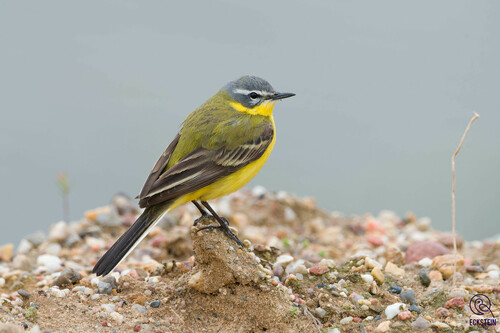
Western Yellow Wagtail
Motacilla flava
A flash of gold in the grass, the Western Yellow Wagtail is a master of the meadows. Known for its elegant 'tail-wag' and affinity for open landscapes, this vibrant traveler is a must-see for any backyard enthusiast.
Quick Identification
Size
Length: 15–16 cm (6 in); Wingspan: 23–27 cm (9–10.5 in); Weight: 11–23 g (0.4–0.8 oz)
Colors
Bright yellow underparts (especially males), olive-green or grayish back. Males have striking head patterns (varies by subspecies from blue-gray to black); females are generally paler with buffy-white throats.
Key Features
- Constant rhythmic up-and-down tail wagging
- Slender, elegant build with long, thin legs
- Vibrant yellow belly and undertail coverts
- Sharp, thin beak specialized for catching insects
When You’ll See Them
Behavior
The Western Yellow Wagtail is a highly energetic ground-dweller known for its characteristic tail-pumping motion. Unlike many garden birds that prefer the safety of trees, this species spends the vast majority of its time running across open ground, damp meadows, and marshy edges. They are often seen following grazing livestock, such as cattle or horses, to feast on the insects disturbed by the larger animals' hooves.
These birds are social during migration but become territorial during the breeding season. They have a distinctive 'tsweep' call that is often heard before the bird is actually seen. While they are wary of direct human interaction, they are quite bold in open agricultural environments and can be observed at a distance as they perform short, fluttering 'flycatcher' style leaps into the air to snag low-flying insects.
EverydayEarth exclusive
Camera Tips
To capture the Western Yellow Wagtail, you need to bring your camera down to their level. These birds are ground-foragers, so mounting your camera on a stake just 6 to 12 inches above the soil is ideal. Aim the lens toward an open patch of damp grass or a muddy shoreline where the vegetation is short. If you have a backyard near a field, placing the camera near the edge of a mown path will increase your chances of a clear shot.
Standard bird feeders won't attract this species, as they rarely eat seeds. Instead, focus your camera on a shallow, ground-level water feature or a birdbath with a very gentle slope. A solar-powered 'wiggler' or a slow-dripping water source is an excellent lure, as the movement of water catches their eye during their frequent foraging runs. You can also try placing a shallow tray of live mealworms in an open area to encourage them to linger in the frame.
Because wagtails are constantly in motion—particularly that signature tail-wag—you should use a camera with a fast trigger speed (0.3 seconds or less) and a high frame rate. Set your camera to 'Burst Mode' or 'Photo + Video' to ensure you capture the fluidity of their movement. If your camera allows for manual shutter speed settings, keep it high to avoid motion blur during their quick dashes.
Seasonality is key; in many regions, these birds are only present during the spring and summer. Position your camera in early April to catch the first arrivals as they scout for nesting territories. If your property has a compost heap or a damp patch that naturally attracts flies, this is the perfect 'natural' bait station for a wagtail. Avoid placing cameras in thick brush, as these birds prefer wide-open sightlines to stay safe from predators.
Similar Species
Species that look similar or are commonly confused with Western Yellow Wagtail.
Frequently Asked Questions
Record Western Yellow Wagtail at your habitat
Connect a camera to start building your own species record — AI identifies every visitor automatically.