Nest Box Plans by Species
Species-specific plans with exact dimensions, materials lists, and placement guidance. Free downloadable PDFs for every species.
Choose your species
The right box for the right bird
Every cavity-nesting species has different requirements for entrance hole size, interior dimensions, and mounting height. Choosing the correct design dramatically increases the chances of successful nesting and keeps occupants safe from predators.
Find your box
Pick the right plan in 3 steps
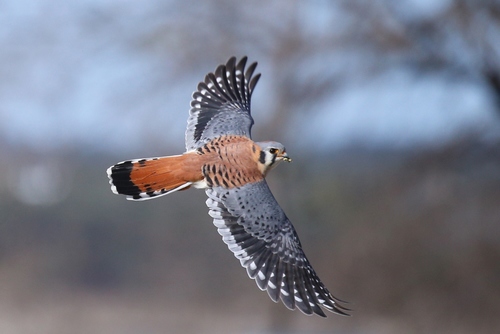
American Kestrel
- Entrance: 3 inches (76 mm)
- Mount: 10-20 feet (3.0-6.1 m) above ground
View full plans →
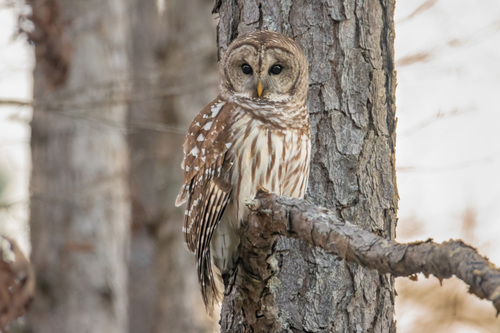
Barred Owl
- Entrance: 7 x 7 inches (178 x 178 mm) square opening
- Mount: 15-30 feet (4.5-9 m) above ground
View full plans →
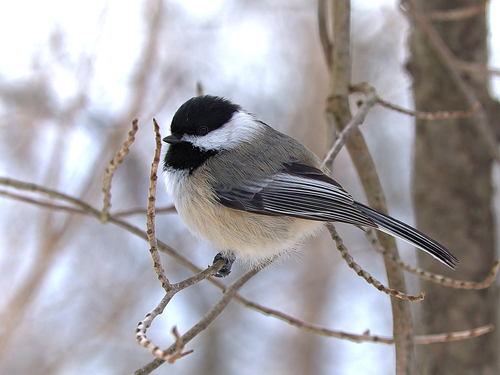
Black-capped Chickadee
- Entrance: 1.125 inches (29 mm)
- Mount: 4-10 feet (1.2-3.0 m) above ground
View full plans →
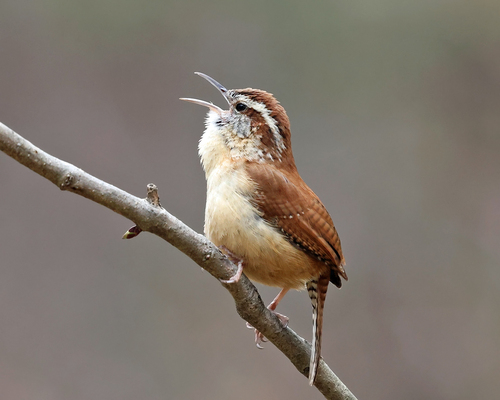
Carolina Wren
- Entrance: 1.5 inches (38 mm)
- Mount: 5-10 feet (1.5-3.0 m) above ground
View full plans →
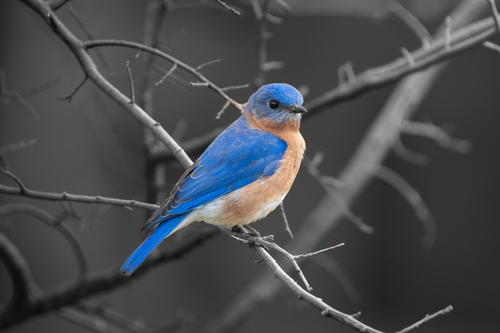
Eastern Bluebird
- Entrance: 1.5 inches (38 mm)
- Mount: 4-6 feet (1.2-1.8 m) above ground
View full plans →
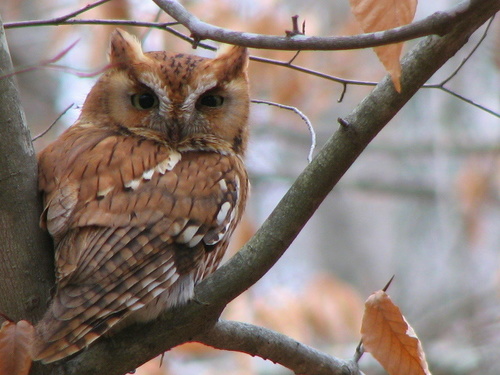
Eastern Screech-Owl
- Entrance: 3 inches (76 mm)
- Mount: 10-20 feet (3-6 m) above ground
View full plans →
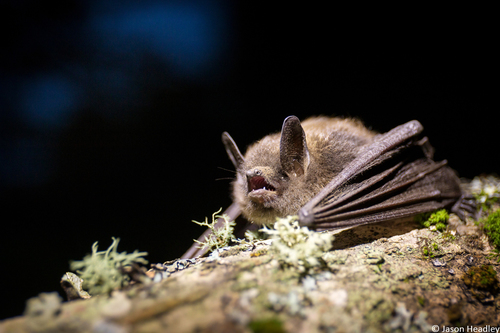
Little Brown Bat
- Entrance: 0.75 inch (19 mm) bottom slot
- Mount: 12-20 feet (3.6-6.1 m) above ground
View full plans →
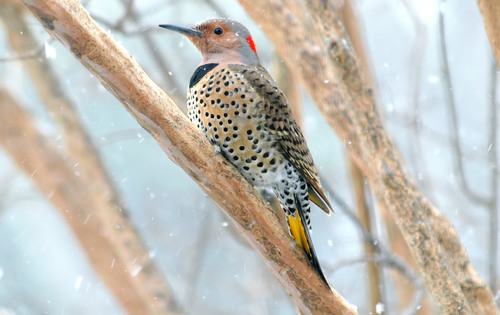
Northern Flicker
- Entrance: 2.5 inches (64 mm)
- Mount: 6-20 feet (1.8-6 m) above ground
View full plans →
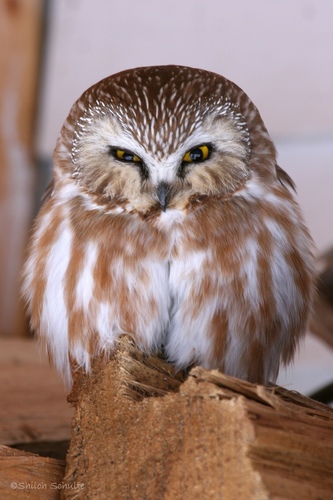
Northern Saw-whet Owl
- Entrance: 3 inches (76 mm)
- Mount: 10-20 feet (3-6 m) above ground
View full plans →
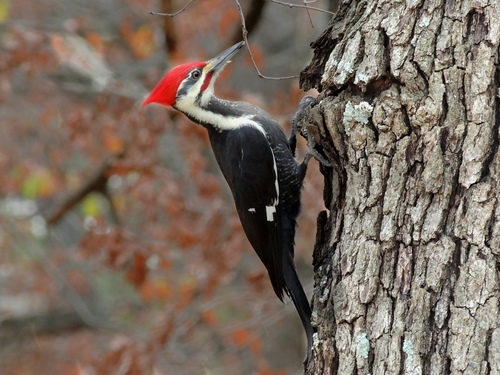
Pileated Woodpecker
- Entrance: 4 inches (102 mm)
- Mount: 15-30 feet (4.5-9 m) above ground
View full plans →
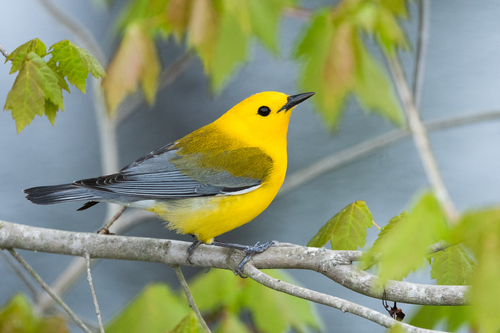
Prothonotary Warbler
- Entrance: 1.25 inches (32 mm)
- Mount: 4-7 feet (1.2-2.1 m) above water or damp ground
View full plans →
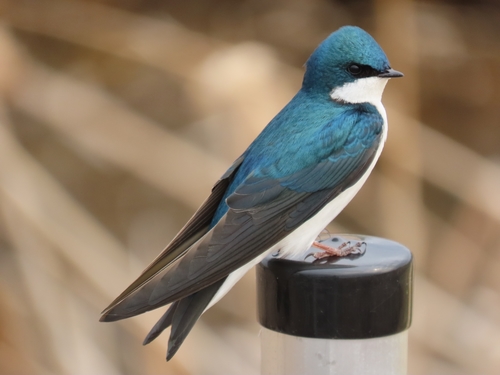
Tree Swallow
- Entrance: 1.5 inches (38 mm)
- Mount: 5-6 feet (1.5-1.8 m) above ground
View full plans →
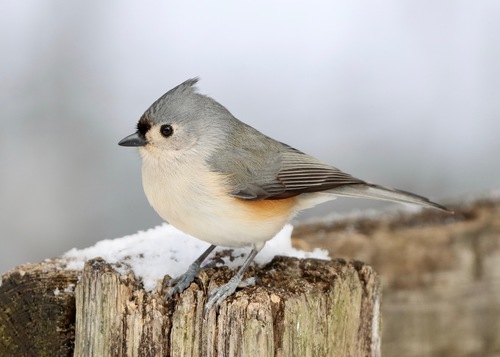
Tufted Titmouse
- Entrance: 1.25 inches (32 mm)
- Mount: 5-15 feet (1.5-4.5 m) above ground
View full plans →
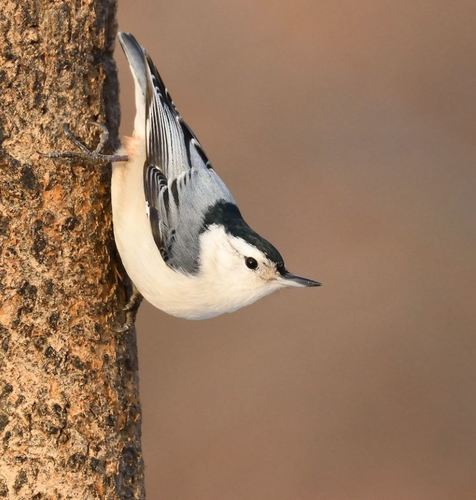
White-breasted Nuthatch
- Entrance: 1.25 inches (32 mm)
- Mount: 12-20 feet (3.7-6.1 m) above ground
View full plans →
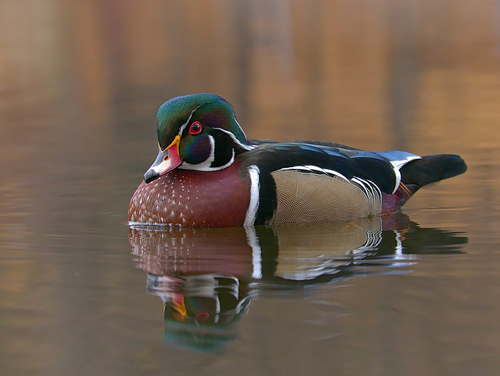
Wood Duck
- Entrance: 3 x 4 inch (76 x 102 mm) oval
- Mount: 6-20 feet (1.8-6.1 m) above water or ground
View full plans →
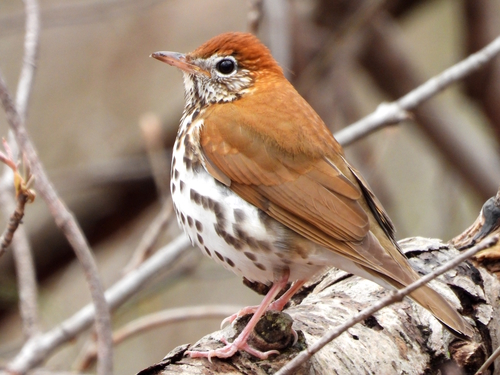
Wood Thrush
- Entrance: Open Front (approx. 7.25 inches or 184 mm wide)
- Mount: 6-15 feet (1.8-4.5 m) above ground
View full plans →
Want to see what happens inside?
Add a gentle camera to your nesting box and follow the entire nesting journey — from the first twig to the day they fledge, with AI-narrated Field Notes of every visit.